Personally, I’m a big advocate for growing food in our gardens no matter who you are but it’s doubly important to show children where our food comes from. Not everyone wants to have vegetables in their gardens though. If you have children, or maybe grandchildren, in your life I think it’s a great idea to grow some food on your property. Growing some simple vegetables is so exciting for children and teaches them so much about where our food comes from. Plus everyone knows that food you grow yourself tastes so much better than what we buy at the store!

A little bit of work
Most people don’t have much innate interest in growing food on their properties and I get why. People would prefer the relatively lower level of effort to grow shrubs or perennials and look at something prettier in that space. If they are to have planters on the deck they would like them to be an ever blooming flower rather than an awkward looking tomato plant.
Truthfully, growing a few veggies in a given space will be more work then just a shrub or two with some mulch. In the shrub bed you’ll have to do some minor pruning every few years, throw some mulch down and pull the odd weed. With minimal effort it will stay looking great.
If you used the same bed for vegetables you’ll have to get some seeds or transplants, dig some holes and plant them, keep it weeded, watered and maybe add some fertilizer. Once you’re all done with it in the fall it will need to be cleaned up too. But… it’s not that much work!
A lot of understanding
The work required in maintaining a little vegetable garden does pay off in the learning that goes on though. Even a young toddler can learn where our food comes from and that it needs water and sunlight to grow. As children get older they can learn about seeds, pollinators and the difference between fruits and tubers.
We can talk to children about the work that farmers do for us and the journey our food goes on as they get older. Planting different crops from year to year can show children that some things are easier than others to grow and that every food can’t be grown in every location. Plus I have yet to meet a child of any age that isn’t absolutely thrilled with the process of growing food.
When we consider all the hands on things that children can learn from just a little bit of extra work it seems more than worth it!

Where to grow
Every property is different in terms of the best place to grow a little bit of food. For some home farmers it will be a planter or two on the balcony of a high rise apartment and others might have the option of planting out the back 40. Where ever you live there’s almost always an option to grow a little bit of food at home.
We will go over your options for planting some vegetables for a few years if you’re not already a dedicated home farmer.
Temporary garden (raised bed)
One of my favorite options for introducing where food comes from for children is a raised garden bed. If you have any sort of lawn I believe this is the best option. Pick a sunny spot perhaps out of the way to pull up just a little bit of sod and put in a raised bed. Fill it up with a little bit of rich soil and and you are set to grow! There’s no reason to invest in a fancy raised bed something made of basic lumber will do. If it’s only for a few years you can even skip the pressure treated lumber.
Once you and your children have outgrown the process the soil can be spread thinly on the lawn as top dressing and the wood can be put out by the curb for collection. Pick up a few sods and it will be like it was never there.
Two summers ago I built a larger raised bed for a family just for this purpose. The little boy was delighted with his beans and peas (which he would never eat before) but digging was his favorite part. This summer I built a matching bed but we filled this one with play sand so he could dig AND grow to his heart’s content.
One bed for a few years
If you already have lots of gardens in and around your home it could make the most sense to just give one of those areas over to veggies for a few years. You might pick a smaller one or the one that gets lots of sun to grow your food in. It is a good idea to pick one that the hose reaches though. Any existing plants can be taken out and perhaps squeezed in somewhere else to make room. It’s a good idea to fold in some rich compost before you replant it and any existing mulch can either be mixed in or to moved to another location. Once you finish going your food for a few years you can just replant it with ornamentals once again.
Planters
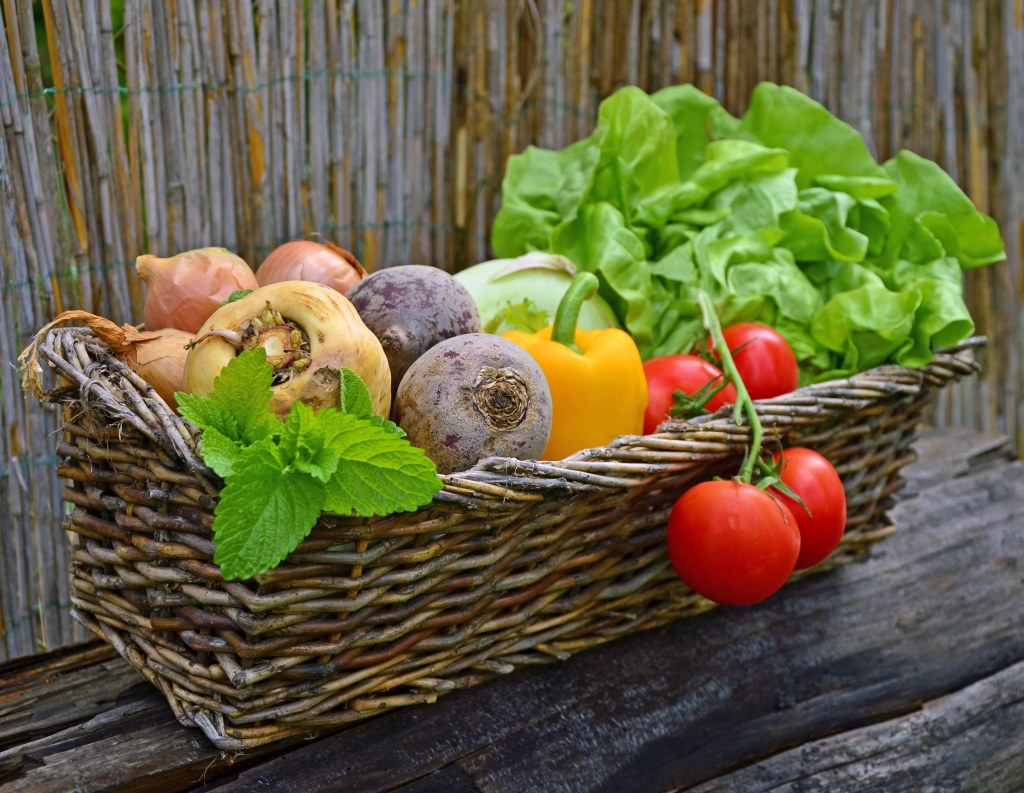
Lots of people only have a balcony available or planters are most realistic for their lifestyle. Not to worry though, almost everything you grow in the ground can also be grown in a planter or two. Tomatoes, peppers, beans, lettuces and potatoes will all grow in a planter with out problems or any extra steps. Crops like peas and cucumbers will need a pole or small trellis to grow on. If you decide to stick with growing afterwards you could switch to flowers or maybe some herbs. If not well, you can just get rid of them.
In a window
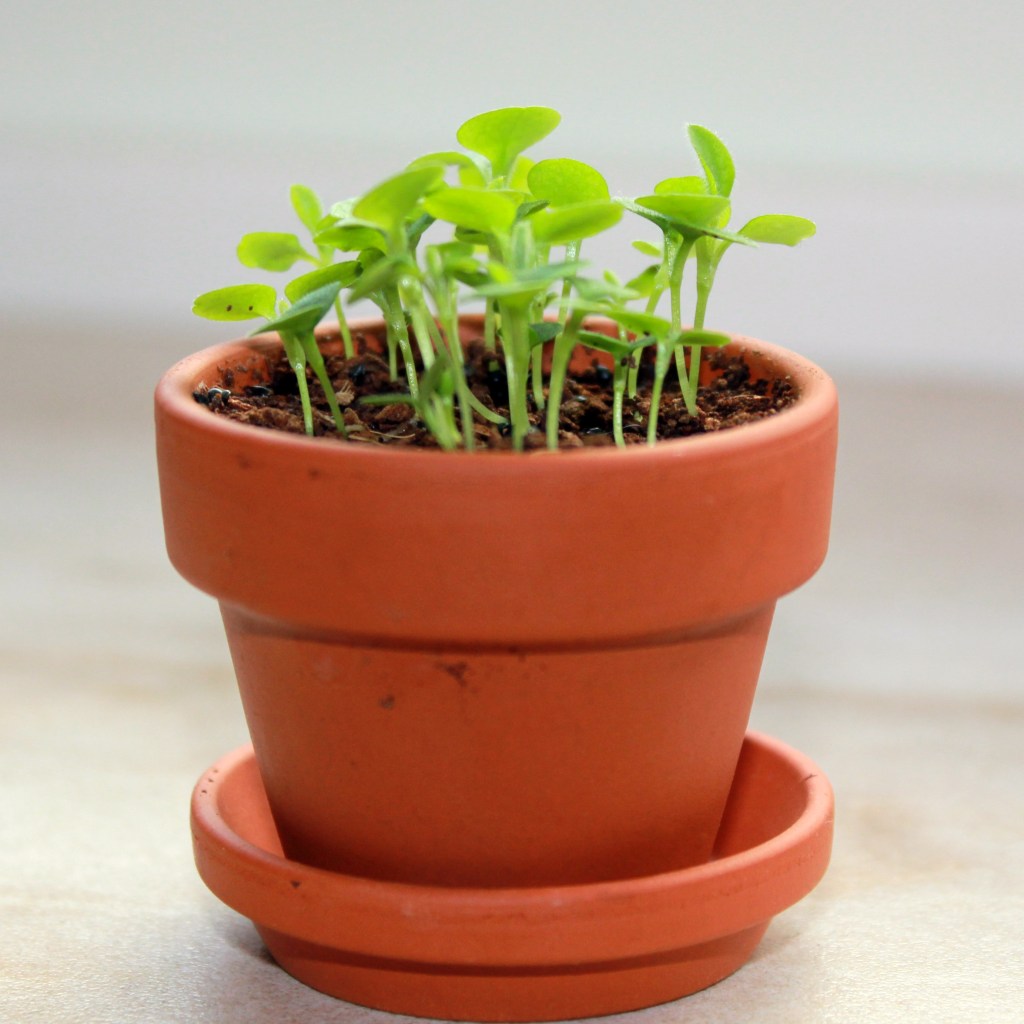
Even if you have absolutely no outdoor space available you can still grow a little bit of food. Many plants will still grow in a pot on the windowsill indoors. If you are going this route I encourage you to investigate kits built specifically for this purpose. Basil, beans, herbs, mushrooms and onions are often sold as kits with everything you need.
Community garden
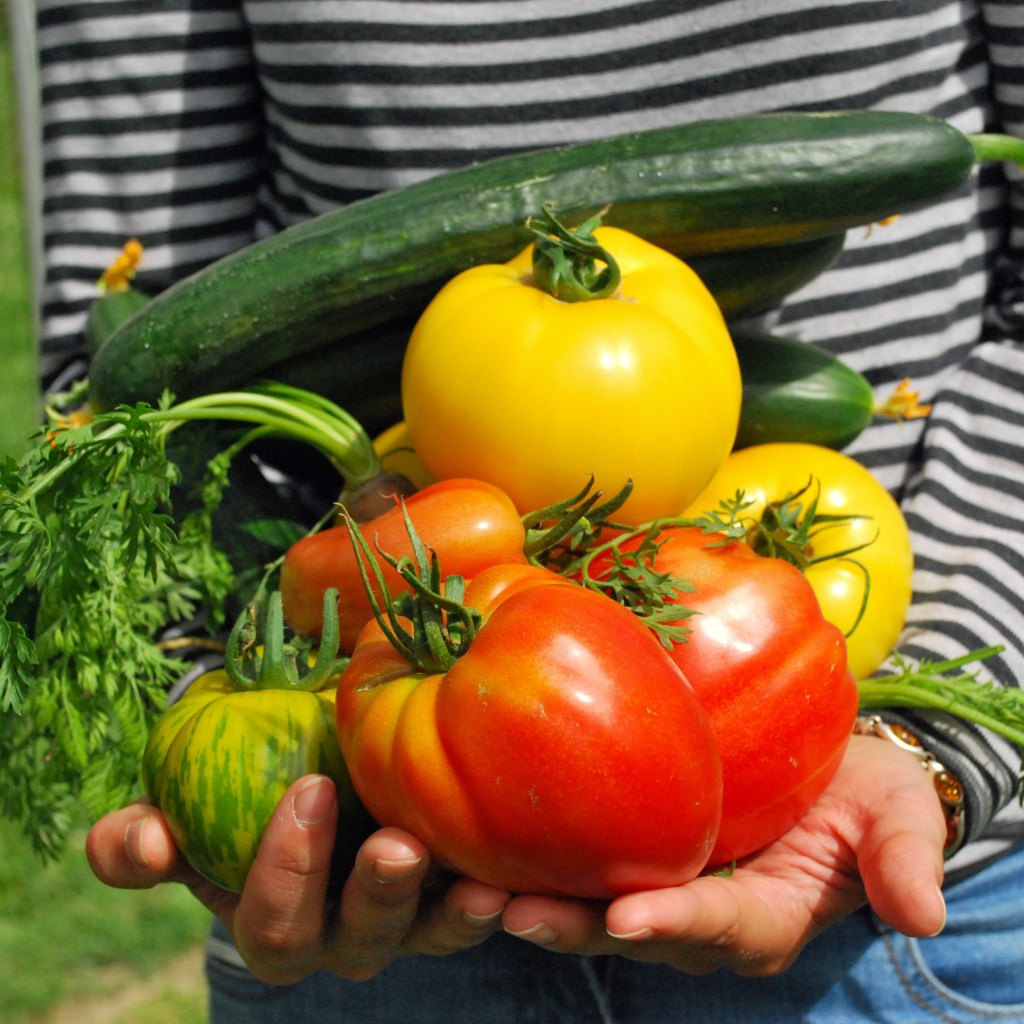
A great option for growing food in urban environments are community gardens. It really is a bigger commitment to rent a plot and maintain it over the season but if this is something that already appeals to you it could be a very good option. In a community garden you can grow a tremendous amount of food and even store some for winter.
But… a nearby community garden can also be the easiest option of the bunch. Passionate gardeners are usually friendly and often totally willing to talk to children and show off their spaces. You could make a habit of visiting a community garden in your area often over the summer. You will get to know the spaces and the gardeners there and it will teach your children about food production. I’m willing to bet that more than one will even give your little one a few samples later in the season.
While growing food isn’t everyone’s cup of tea it can be a lot of fun and make children appreciate where our food comes from. It’s worth the little bit of extra work it might be. No matter where you live it’s always possible to make it work. If you’re interested in incorporating a few veggies into your landscape ask your landscaper or gardener how to make it work for you! You never know it might even be a big step in getting your picky eater to finally eat their greens!
 AMK Landscaping
Leave a comment